
Comprehensive Exploration of eLearning
The All-in-One LMS Powerhouse for Digital-Age Organizations
In the age of digital transformation, when technology evolves at breathtaking speed and workforce competency becomes a direct determinant of competitiveness, effective training is no longer optional—it is a mission-critical function. Traditional training methods, however, are slow, costly, inconsistent, and dependent on physical presence.
This is where modern eLearning systems—powerful Learning Management Systems (LMS) integrated within enterprise platforms—step in as a transformational force. They streamline training end-to-end, accelerate knowledge distribution, and redefine how organizations build capability in the digital era.
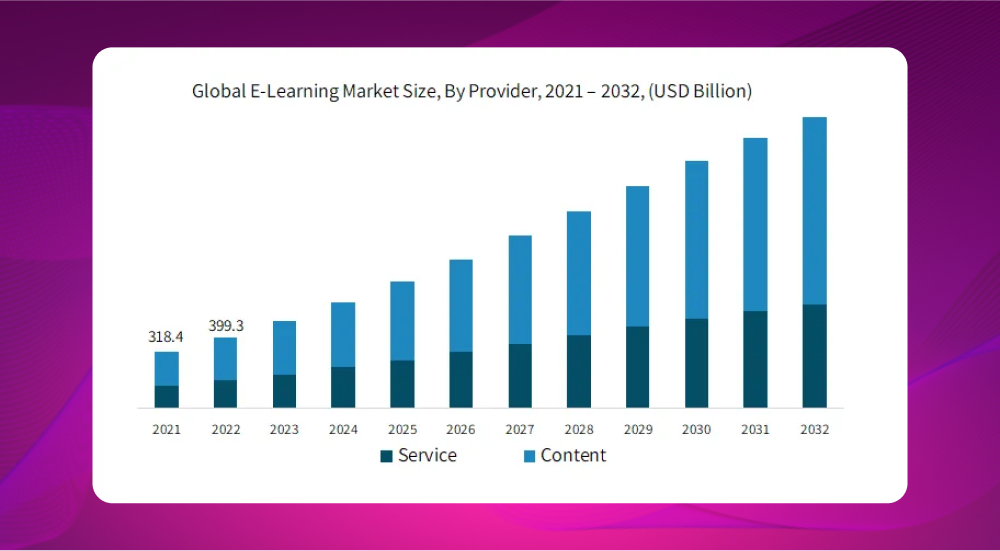
This blog will give you a complete exploration of what an eLearning system is, how it integrates with the enterprise ecosystem, its strategic value, and how modular learning architecture reshapes corporate training.
1. What Is an eLearning System?
An eLearning system is an enterprise-grade online training platform that allows organizations to create, deliver, track, and optimize learning experiences in a structured and highly scalable way.
Unlike standalone learning tools, a modern LMS embedded inside an ERP ecosystem works seamlessly with other business modules—such as Sales, Human Resources, and eCommerce—creating unified workflows and eliminating information silos.

It is not just a repository for digital files. It is a dynamic, interactive learning environment that powers internal training, external training, and enterprise knowledge management.
2. Core Business Applications of eLearning
An eLearning system delivers value across three major pillars:
✔ Internal Workforce Training & Onboarding
✔ External Training (Customers, Partners, Public Market)
✔ Corporate Knowledge-Base Development
Let’s break these down.

2.1 Optimize Internal Training & Employee Onboarding
This is the most immediate and impactful use case.
Standardize Onboarding Across the Organization
Instead of relying on individual mentors or inconsistent training sessions, organizations can build structured learning paths that ensure every new employee receives the same high-quality introduction to:
Company culture
Policies and procedures
Product and service knowledge
Role-specific skills

Reduce Training Cost & Time
Online courses eliminate travel, classroom booking, and repeated instructor-led sessions. Employees can learn at their own pace and revisit lessons freely, without affecting productivity.
Support Department-Specific Skill Development
Finance, Marketing, IT, Operations—each department can create their own targeted courses, ensuring continuous upskilling aligned with roles and business goals.
2.2 Extend Knowledge Distribution & Monetize Intellectual Capital
A modern eLearning system expands influence beyond internal staff.
Customer Education
Provide product tutorials, advanced feature training, or troubleshooting courses to improve adoption and reduce customer support workload.
Sell Training Programs Publicly
With built-in eCommerce integration, organizations can commercialize their expertise. They can publish courses, collect payments, and grant access automatically—turning knowledge into a revenue stream.
Partner / Distributor Training
Ensure all channel partners stay updated on product updates, compliance requirements, and sales methodology—maintaining consistent brand experience across markets.
2.3 Build a Centralized Corporate Knowledge Base
An LMS acts as a “corporate Wikipedia,” storing:
SOPs
Process documentation
Training videos
Safety manuals
Product knowledge
Internal best practices

Employees can find exactly what they need instantly, reducing dependency on senior staff and encouraging a self-directed learning culture.
3. Key Features That Make eLearning a Superior Training Solution
Modern eLearning platforms combine user-centric design with enterprise-level functionality.
A. Intuitive, Multi-Device Interface
The system is built for both content creators and learners. Courses are accessible from laptops, tablets, and smartphones—supporting learning anywhere, anytime.
B. Rich, Interactive Content Formats
The platform supports:
PDFs and presentations
Multimedia (videos, images, animations)
Embedded content (YouTube, Vimeo)
Interactive quizzes with multiple question types
This variety enhances engagement and ensures training fits the content—not the other way around.
C. Gamification to Boost Motivation
Learners earn:
XP points
Badges
Certificates
Leaderboard rankings
This game-like structure encourages participation and maintains momentum throughout the course.
D. Community Interaction & Knowledge Exchange
Discussion forums inside each course enable learners to ask questions, share insights, and learn collaboratively—turning training into a social experience.
E. Advanced Analytics & Automated Certificates
Real-time dashboards allow managers to track:
Completion rates
Time spent
Quiz scores
Content effectiveness
Certificates are automatically generated and personalized upon successful course completion.
4. Beyond Software: Modular eLearning as a Strategic Learning Architecture
eLearning modules are more than just well-organized content blocks.
They represent a strategic shift in knowledge management, influencing how organizations create, deliver, and measure learning.
Below is how modular learning transforms organizational performance.

I. 🎯 Enhance Cognitive Impact & Knowledge Retention
Microlearning Optimization
Modules are intentionally designed as compact, targeted learning units following the “learn one – practice one” principle. This reduces cognitive load and increases mastery of each concept.
Spaced Repetition for Long-Term Retention
Automated reminders and follow-up quizzes reinforce learning periodically (3 days, 1 week, etc.), ensuring that skills remain sharp long after the course finishes.
Result: Deeper understanding, improved retention, and better real-world application.
II. 🔄 Boost Organizational Agility & Innovation
Rapid Assembly of New Training Programs
When business requirements change—new laws, new features, new processes—existing modules can be combined with newly created ones.
→ What used to take weeks now takes days.
A/B Testing for Continuous Improvement
Because modules operate independently, L&D teams can test different content formats and optimize training based on data, not assumptions.
Democratized Knowledge Creation
Internal experts can quickly record micro-modules (tutorials, demos, best practices) instead of producing long documentation.
→ Tacit knowledge becomes a scalable corporate asset.
III. 📊 Strategic Insights for Executive-Level Decision Making
Content Efficacy Analysis
Module-level analytics reveal:
Where learners drop off
Which topics cause the most errors
Which content needs redesigning
This elevates training from “fixed content” to “continuously optimized knowledge products.”
Cost-Benefit Evaluation
Organizations can measure the ROI of each module by comparing:
Cost to develop
Learning time consumed
Performance uplift in related KPIs
Predictive Retraining
If scores on a core module decline, the system triggers alerts and recommends retraining programs to prevent capability gaps.
Skills Mapping & Workforce Visibility
Every completed module automatically updates a skill profile, helping leaders:
Identify internal experts
Match employees to strategic projects
Plan succession and workforce development
🌟 Conclusion
eLearning as a Strategic Engine for Growth
An eLearning system is not just a digital classroom—it is a transformative ecosystem for knowledge management, workforce development, and enterprise agility.
By combining:
Interactive learning experiences
Modular training architecture
Real-time analytics
Seamless integration with enterprise processes
…organizations can convert training from a cost center into a growth engine.
In the digital age, the true competitive advantage is not technology—it is the organization’s ability to learn faster, adapt faster, and scale knowledge smarter.